Stanning Is Hard Work: The Hidden Burnout Behind Being a Die-Hard Fan

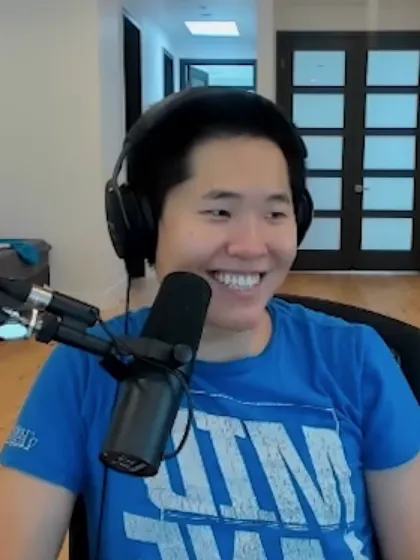
Photo: Unknown, CC BY 4.0, via Wikimedia Commons
Somewhere between buying a poster and refreshing a celebrity's Instagram stories at 11 PM on a Tuesday to make sure you didn't miss anything, fandom quietly transformed into something a lot more demanding than it used to be.
Ask anyone deep in a fandom right now — Swifties tracking every cryptic post, Marvel fans cataloging multiverse theories, K-pop stans coordinating streaming parties — and many of them will tell you the same thing with a mix of affection and exhaustion: keeping up is basically a part-time job. And unlike an actual job, it doesn't pay anything.
This isn't a knock on fans. Fandom is genuinely one of the most vibrant, creative, and community-driven corners of culture. But something has shifted in the last decade, and it's worth being honest about what that shift has cost.
The Acceleration of Everything
Fan culture isn't new. Teenagers screamed for the Beatles in 1964. Star Trek fans organized letter-writing campaigns in the 1960s to save the show from cancellation. People have always formed intense emotional connections with entertainers and fictional worlds.
What's different now is the speed and volume of it all.
Social media created direct lines between fans and the people they follow, and those lines run 24 hours a day. A celebrity tweets something ambiguous at 2 AM and by morning there are seventeen competing interpretations trending on X. A showrunner drops a vague hint about an upcoming season and fan forums are dissecting it within minutes. The content pipeline is essentially never-ending, and for fans who want to stay current — who want to be part of the conversation in real time — there's no off switch.
Taylor Swift, to use the most obvious current example, has built an entire engagement ecosystem around her releases. Easter eggs in music videos. Hidden messages in liner notes. Cryptic social media posts that fans treat like puzzle boxes. It's genuinely brilliant marketing, and her fans love it. But it also requires enormous amounts of time and attention to participate in fully. Keeping up with the Eras Tour discourse alone could occupy hours of a person's week.
When Loving Something Starts Feeling Like Obligation
Here's the thing about intense fandom that doesn't get discussed enough: the line between passion and obligation can blur really fast.
Fan communities — especially online ones — develop their own internal social hierarchies and expectations. Being a real fan means knowing the deep cuts. It means being current on the latest news. It means contributing to the wiki, participating in the stan Twitter discourse, streaming the new single enough times to move the charts. Fall behind, and you risk being seen as a casual — which, in some communities, is basically an insult.
This creates a pressure dynamic that has very little to do with actually enjoying the thing you're a fan of. People report feeling guilty for not watching a show fast enough, stressed about missing a limited merch drop, or anxious when they can't keep up with a fandom's internal drama. That's not leisure. That's stress with a fun aesthetic.
Researchers who study media psychology have been paying closer attention to this lately. The concept of parasocial relationships — one-sided emotional bonds with public figures who don't know you exist — is well-documented, but the social media era has intensified them considerably. When a celebrity responds to fan comments, does Instagram Lives, or shares personal moments online, it creates an illusion of genuine reciprocal connection. For some fans, that illusion becomes the foundation of a significant emotional investment, which means when the celebrity disappoints them — or simply moves on — the fallout can feel genuinely personal.
The Financial Side of Superfandom
And then there's the money.
Being a serious fan in 2024 is expensive in ways that would've seemed almost absurd a generation ago. Concert tickets, especially for major acts, have become financially brutal — a floor ticket to see a top-tier artist can run several hundred dollars before fees, and that's assuming you can even get through the Ticketmaster queue without the whole thing selling out in four minutes. Merchandise has evolved into a multi-tier product category, with standard items, limited editions, and fan club exclusives all designed to maximize spending across different commitment levels.
Streaming services want your subscription. Fan conventions want your badge fee and travel costs. Content creators want your Patreon support. The financial ask on dedicated fans has never been higher, and the implicit message from the entertainment industry is that spending money is how you demonstrate the authenticity of your fandom.
For younger fans especially — teenagers and college students who are the demographic backbone of many major fandoms — this creates real financial pressure. There are entire Reddit threads dedicated to fans budgeting for concert runs, calculating how many merch items they can afford, or feeling genuine shame about not being able to keep up with the spending expectations of their fan communities.
The Community Is Still Real, Though
It would be easy to read all of this as purely negative, and that would be unfair.
Fandom, even in its most intense forms, gives people something genuinely valuable: community, identity, shared language, creative outlets. Fan fiction, fan art, cosplay, and fan-run podcasts represent real creative achievement. The friendships formed through shared obsession over a show or an artist can be deep and lasting. For people who feel isolated or who struggle to connect in conventional social settings, fandom communities can be lifelines.
The issue isn't that fandom exists or that people care deeply. The issue is that the entertainment industry has become extremely sophisticated at monetizing and intensifying that care in ways that don't always serve the fans themselves.
When a studio rolls out a 47-piece merch line or an artist's team engineers an elaborate months-long rollout designed to maximize fan engagement, they're not doing it out of love for their audience. They're doing it because deeply engaged fans spend more money and generate more organic marketing. The fans' emotional investment is the product being harvested.
Finding the Exit Ramp
A growing number of people in online spaces have been talking about "fandom fatigue" — the experience of genuinely loving something but feeling burned out by the culture surrounding it. Some step back from the discourse while keeping their personal connection to the work. Others leave communities entirely and find that they actually enjoy the thing more when they're not marinating in collective anxiety about it.
There's no perfect answer here. But maybe the most radical thing a fan can do right now is give themselves permission to love something on their own terms — to watch the show without the live-tweet, to listen to the album without the theory crafting, to be a fan without it being a job.
The entertainment will still be there. It'll survive without your constant attention. And you might actually enjoy it more.