Too Many Pods, Not Enough Ears: How the Podcast Boom Quietly Imploded
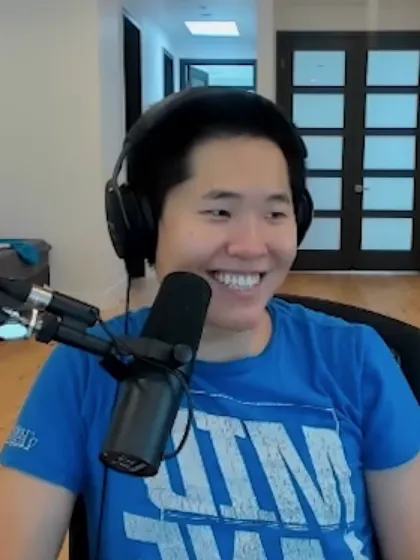
Photo: Offline TV, CC BY 3.0, via Wikimedia Commons
Somewhere around 2019, every conversation about the future of media included the word "podcasting." Venture capital was pouring in. Spotify was spending hundreds of millions acquiring networks. Celebrities were launching shows faster than anyone could track. The pitch was irresistible: low barrier to entry, loyal audiences, intimate connection between host and listener, and an advertising market just beginning to realize its potential.
Fast forward to today and the vibe is considerably different. Major networks are quietly shutting down shows. Ad rates have softened. And a growing number of listeners are doing something the industry never really planned for: tuning out.
The Gold Rush That Got a Little Too Crowded
At its peak, the podcasting boom had the same energy as every other media gold rush — chaotic, exciting, and completely unsustainable. By 2022, there were over four million active podcasts listed across major directories. Four million. For context, that's more than twice the number of radio stations operating globally.
The problem with four million anything is that human attention doesn't scale the same way production does. Listeners have roughly the same number of commute hours, gym sessions, and dishwashing shifts they've always had. The amount of audio they can realistically consume in a week hasn't changed. But the amount being produced at them increased by orders of magnitude.
The result was a discovery crisis. Great shows got buried. Mediocre shows with celebrity names attached got promoted. And listeners, overwhelmed by choice, defaulted to the same five or six shows they'd already been listening to for years.
Celebrity Pods and the Authenticity Problem
Nothing accelerated podcasting's credibility issues faster than the celebrity pod explosion. When Spotify signed deals worth tens of millions with names like Joe Rogan, Barack and Michelle Obama, and Prince Harry and Meghan Markle, it signaled to every agent in Hollywood that podcasting was a new revenue stream worth pursuing.
What followed was a wave of celebrity-hosted shows that largely missed the point of why podcasting worked in the first place. The medium's appeal was always rooted in intimacy — the sense that you were getting access to a real person thinking out loud, unfiltered and unproduced. Celebrity productions, with their full teams of producers, PR handlers, and brand managers, couldn't replicate that feeling no matter how casual the hosts tried to sound.
Listeners noticed. Many of those high-profile shows posted disappointing numbers relative to their budgets, and several were quietly discontinued after one or two seasons. Spotify eventually acknowledged the strategy hadn't paid off the way they'd hoped, laying off significant portions of their podcast division in 2023.
The Advertiser Pullback Nobody Wanted to Talk About
For years, podcast advertising operated on a kind of faith-based economy. Brands paid premium rates for host-read ads based on the assumption that loyal listeners trusted their favorite hosts and would act on their recommendations. The data supporting this was real, but it was also limited in scope — mostly drawn from the medium's most successful shows, not the industry as a whole.
As the market matured and advertisers got more sophisticated about attribution — actually tracking whether podcast ads were converting to sales — the results got murkier. Dynamic ad insertion made it easier to measure but also made host-read ads feel less personal. And as the economy tightened in 2022 and 2023, marketing budgets were among the first things companies cut.
Smaller and mid-tier podcasts felt this immediately. Shows that had been sustaining themselves on two or three sponsors suddenly found those sponsors gone, replaced by nothing. Creators who'd gone full-time on their podcasts had to make hard decisions about whether to scale back or shut down entirely.
Listener Burnout Is a Real Phenomenon
There's a specific kind of exhaustion that comes from having too many subscriptions to things you actually like. Streaming subscribers know it well. Podcast listeners are experiencing their own version now.
The queue problem is real — that list of episodes saved for later that just keeps growing, turning from a resource into a source of low-grade anxiety. Research into listener behavior has found that many podcast subscribers stop actively listening to most of their subscriptions within a few months of adding them, but don't unsubscribe because the friction is low enough that it doesn't feel worth the effort.
This creates inflated subscriber numbers that don't reflect actual engagement, which in turn creates a misleading picture of any given show's health. Creators see subscriber counts holding steady and assume their audience is still there. Advertisers eventually figure out the engagement numbers don't match, and the relationship deteriorates.
Subscription Creep: Podcasting's Next Awkward Evolution
The industry's response to the ad market softening has been predictable: paywalls. Patreon, Supercast, and platform-native subscription tiers have proliferated, with creators asking their most loyal listeners to pay monthly for bonus episodes, ad-free feeds, or early access.
For some creators with genuinely devoted audiences, this has worked reasonably well. But it's also accelerating a fragmentation problem that mirrors what happened to streaming. Listeners who follow five or six shows that all launch paid tiers are suddenly looking at another $40 to $60 a month in subscriptions — on top of everything else they're already paying for entertainment.
At some point, the math stops working for the consumer, and they start making cuts.
What Actually Survives
Podcasting isn't dying — that framing is too dramatic and too convenient for people who want a clean narrative. But the version of podcasting that existed in the hype cycle is definitively over.
What's left is a medium that works extremely well for specific things: deeply niche communities, long-form journalism, comedy between friends with genuine chemistry, and educational content that benefits from the conversational format. Those shows have always found audiences and will continue to.
What's fading is the idea that any celebrity with a microphone and a Spotify deal could build a sustainable media business, or that the industry could keep expanding indefinitely without hitting the ceiling of human attention. It hit the ceiling. Now everyone's figuring out what fits in the space that's actually available.
For listeners, the silver lining is real: the shows that survive this shakeout are going to be genuinely good. The noise is clearing. You might actually be able to find something worth listening to again.