Why Hollywood Can't Stop Raiding the 2000s — And Whether That's Actually a Problem
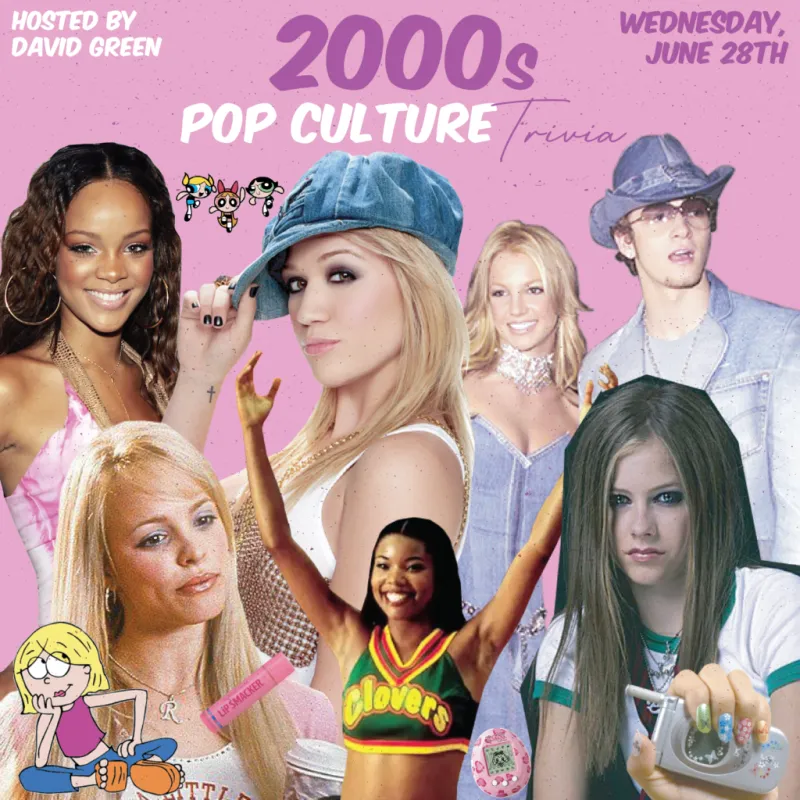
Photo: 2000s retro nostalgia pop culture television film colorful, via exchangebrewery.com
Somewhere between the low-rise jeans making their triumphant (or horrifying, depending on your core memories) comeback and the fourteenth announcement of a beloved early-aughts franchise getting a streaming revival, a reasonable person might stop and ask: what exactly is happening here?
The 2000s nostalgia cycle has officially arrived, and it's arrived loud. We're not just talking about a few reboots or some throwback fashion moments — we're talking about a comprehensive, industry-wide pivot toward early-millennial cultural touchstones that's reshaping what gets greenlit, what gets streamed, and what gets played on the radio. The only question worth asking is whether this represents something real or whether we're all being very expertly manipulated.
The Nostalgia Cycle Is Right on Schedule
First, some context that takes the drama out of this a little: nostalgia has always worked this way. Cultural recycling tends to run on roughly a 20-to-25-year lag, which means the audience that grew up with something is now old enough to have disposable income and strong feelings about it, but young enough to still be a primary target demographic for entertainment companies.
The 80s had their big revival moment in the 2000s and 2010s. The 90s have been getting the nostalgia treatment for the better part of a decade now — Stranger Things built an entire aesthetic empire on it. The 2000s arriving in cultural prominence right now is, mathematically, almost exactly when you'd expect it to happen.
So in one sense, this isn't a mystery. It's a clock.
But the Gen Z Wrinkle Changes Everything
Here's where it gets more interesting, and honestly more complicated. The conventional nostalgia model assumes that the audience doing the nostalgizing is the one that actually lived through the era. That's not entirely what's happening with the 2000s revival.
Gen Z — people who were toddlers or literally not yet born when Lizzie McGuire first aired and Britney Spears was dominating TRL — has developed a genuine, enthusiastic affection for early-aughts aesthetics, music, and media. This isn't ironic detachment. It's actual appreciation, heavily mediated through TikTok rabbit holes and vintage thrift store finds.
For studios and streaming platforms, this is basically a gift. Instead of marketing a revival to one generation that remembers it fondly, you can simultaneously hit millennials with nostalgia and Gen Z with the appeal of discovering something that feels retro-cool. That's two audiences for the price of one IP acquisition, and it goes a long way toward explaining why the greenlight meetings keep producing the same answer.
The Economic Logic Is Airtight (and Kind of Depressing)
Let's be honest about what's actually driving this at the executive level, because it's not purely a cultural phenomenon — it's a financial strategy.
Original IP is expensive and risky. You're paying to develop a concept, build an audience from zero, and hope that the marketing budget is enough to cut through an insanely crowded content landscape. Pre-existing IP from the 2000s comes with built-in name recognition, existing fan communities, and decades of free cultural real estate in people's memories.
When a streaming service announces a revival of something people already love, the announcement itself generates press coverage and social conversation that a new original property would have to pay millions to manufacture. The title does the marketing work before a single frame is shot.
Add in the fact that many 2000s properties are available at relatively reasonable licensing costs compared to, say, 80s or 90s classics that have already been picked over, and you start to understand why every development slate in Hollywood currently looks like a trip to the Blockbuster section that used to be labeled "Recent Releases."
When Nostalgia Works and When It Embarrasses Everyone
Not all 2000s revivals are created equal, and the gap between the ones that land and the ones that crash is instructive.
The revivals that tend to work are the ones that use the original as a launching pad rather than a museum exhibit. They acknowledge what made the source material resonate, update it for where the audience actually is now, and trust that the new version can stand on its own. The ones that fail are usually the ones that seem terrified of the source material — either slavishly recreating it in ways that feel hollow, or so aggressively "updating" it that the original's appeal evaporates entirely.
There's also a meaningful difference between properties that have genuine unfinished emotional business for their audiences and ones that are simply recognizable. Some shows and films from the 2000s ended in ways that left fans wanting more — real, specific more, not just "more content set in this universe." Others were perfectly complete and the revival impulse says more about corporate IP strategy than audience demand.
Is Any of This Actually Bad?
Here's the take that doesn't get aired enough: maybe the nostalgia wave is fine, actually.
The hand-wringing about Hollywood's creativity deficit tends to assume that reboots and revivals are crowding out original work, but the evidence for that is shakier than it sounds. Streaming platforms are producing more original content than at any point in television history. The 2000s revival trend coexists with genuinely new, boundary-pushing work — it's not replacing it.
And for audiences? Revisiting stories and characters that meant something to you is a legitimate form of entertainment. There's nothing wrong with wanting to spend time in a world that made you feel something, especially when the new version offers a fresh perspective on material you thought you knew.
The real critique isn't that nostalgia exists — it's when nostalgia becomes a substitute for risk-taking rather than a complement to it. When a studio greenlights ten 2000s revivals and zero new ideas, that's a problem. When it greenlights eight revivals and two genuinely experimental new properties, that's just... a portfolio strategy.
The Verdict
The 2000s nostalgia wave is real, it's commercially rational, and it's probably going to run for another few years before the industry pivots toward whatever early 2010s properties are next in the recycling queue. Whether you find it comforting or exhausting probably depends a lot on your own relationship to the era in question.
What's worth paying attention to isn't whether the reboots exist — they're going to exist — but whether the best ones are doing something genuinely worthwhile with the material. The 2000s had some great stories. A few of them probably deserve another shot. The trick is telling those from the ones that are just brand recognition dressed up as a cultural moment.