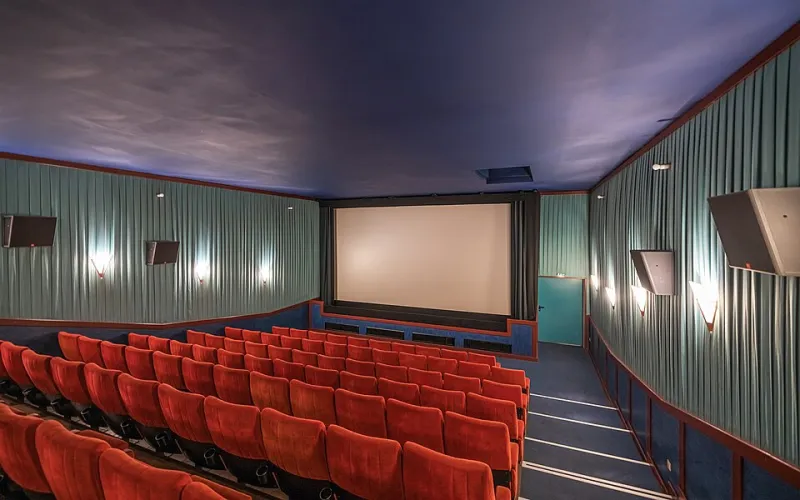
Half-Watching America: What We're Really Doing While the TV Plays
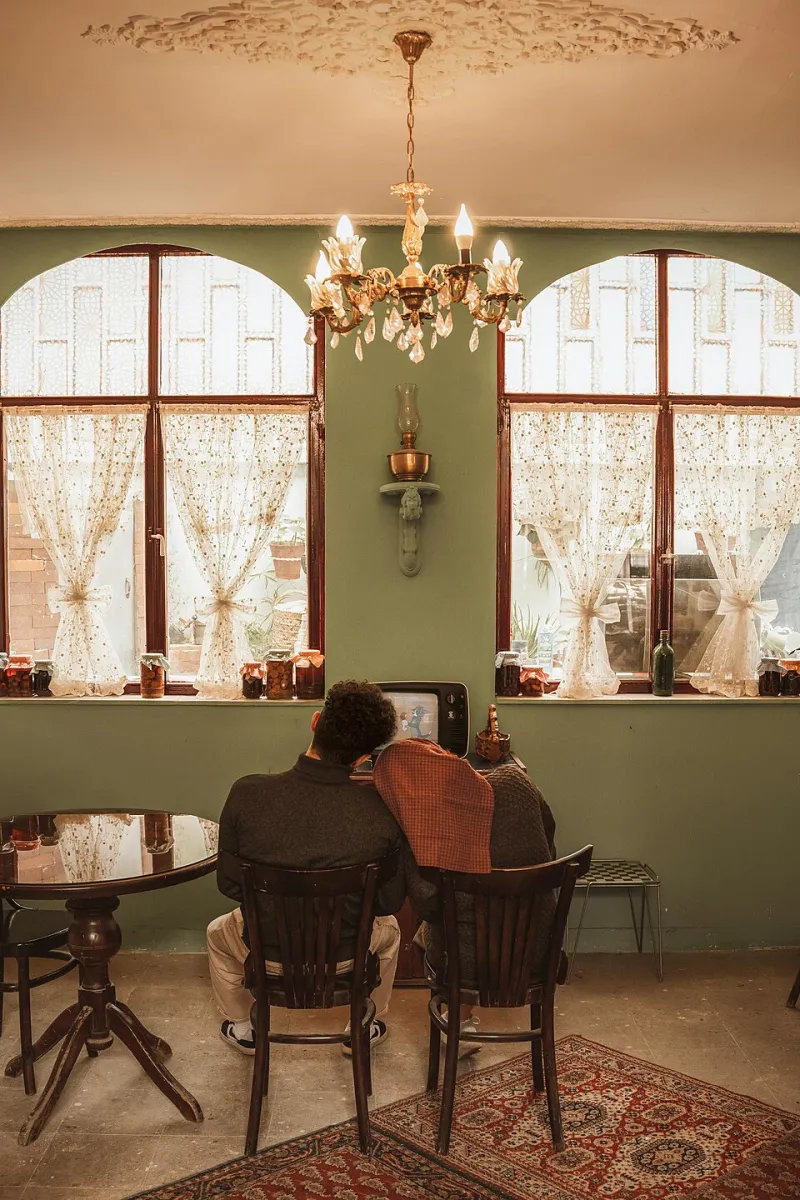
Photo: Voyefex11, CC0, via Wikimedia Commons
Let's be honest about what "watching TV" means in 2025. The show is on. So is the phone in your hand, the laptop on the coffee table, and possibly a group chat narrating everything in real time. You are, in the most technical sense, watching. You are also texting your sister, checking a score, and adding something to a shopping cart.
Welcome to half-watching America, where the second screen has quietly become the first one.
The Numbers Behind the Split
This isn't just an anecdote about your own bad habits — it's one of the most documented behavior shifts in the industry. Nielsen has been tracking "simultaneous media use" for years, and the findings are consistent: a large majority of TV viewers, and an overwhelming share of younger viewers, are on another device while a show plays. Studies of dual-screen behavior regularly find people scrolling social media, texting, shopping, and browsing during the programming itself — not just during commercials.
The shopping part deserves its own moment. Watching a show and buying something it inspired, all in the same sitting, is now common enough that it has a name: streamies, in old industry jargon. Retailers noticed. That's why every big pop-culture moment now comes with an avalanche of shoppable tie-ins — the internet knows you're holding your phone while reality TV plays, and it would very much like to sell you a dupe of whatever the cast is wearing.
Writing for the Sideways Glance
Here's where it gets interesting for the people making shows. If most of the audience is only partially looking, what does that do to storytelling?
Some creators have adapted deliberately. Reality TV and competition shows have long been structured for it — recaps, on-screen graphics, and constant repetition of key information mean you can drift for two minutes and still follow along. Even scripted TV has shifted: more explicit dialogue, more visual signposting, more "as you know, brother" exposition that doubles as a lifeline for the distracted.
Critics argue this is flattening the art form. Nuanced, patient storytelling — the kind that rewards undivided attention — starts to feel like a bad bet when the audience's eyes are elsewhere. The counterargument: TV has always had a background mode. People did crosswords during the evening news in 1975. The phone is just a more absorbing crossword.
The Shows That Fight Back
The most interesting response has come from creators who treat the second screen as a feature, not a bug. Prestige shows now engineer moments designed to blow up on social media — the line reading, the costume reveal, the shot built to be screenshotted. Live events lean into it completely, with second-screen experiences, live polls, and official hashtags that assume your phone is part of the viewing apparatus.
And some shows simply demand the phone back. Dense, puzzle-box storytelling — the kind where every scene matters — has thrived precisely because it's the antidote to distraction. You can't half-watch a show like that. Viewers report rewinding, rewatching, even putting the phone in another room. For a certain kind of viewer, that demand is the selling point.
So Is TV Doomed? Probably Not
The doomer take says attention-splitting is killing television. The calmer read is that it's just changing the shape of it. TV has always adapted to how people actually live — around dinner, around kids, around work — and the dual-screen life is simply the newest version of that.
The real losers are the shows in the middle: not distracting enough to survive a scrolling audience, not gripping enough to earn full attention. The winners are the extremes — the comfort watch you can drift through, and the masterpiece that makes you look up. Everything else is competing with a rectangle that fits in your palm. That's not a crisis. It's just the job now.