The Great Post-Credits Wait: America's Oddest Ritual of Patience
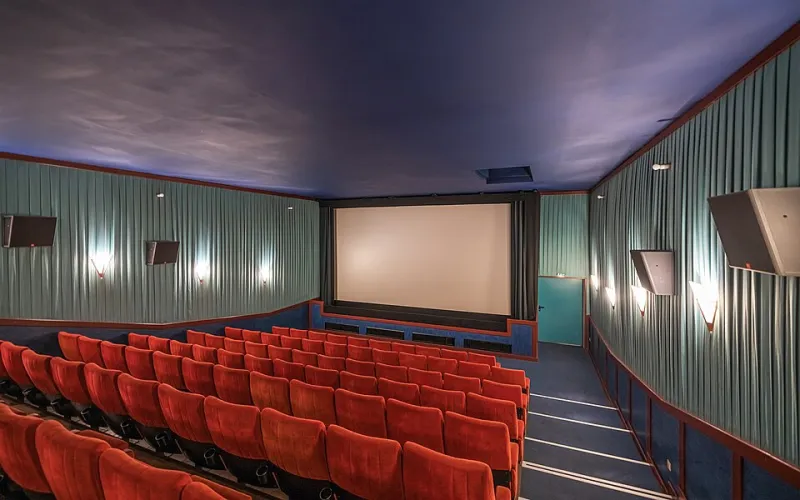
Photo: A.Savin, FAL, via Wikimedia Commons
There's a moment in every American multiplex that would have baffled moviegoers thirty years ago. The movie ends. The screen goes black. The credits start to roll — and nobody moves. Half the theater settles back into their seats, phones down, popcorn bags rustling. Someone near the back whispers, "There better be one."
This is the post-credits scene, and it has quietly become one of the strangest social contracts in modern entertainment. Studios promise a reward. Audiences agree to sit through a wall of names for visual effects coordinators they'll never Google. Break the deal, and people get genuinely upset.
The Gag That Became a Guarantee
The stinger predates Marvel by decades — old comedies used to sneak bonus jokes under the credits all the time. But it was 2008's Iron Man that turned the trick into doctrine, when Nick Fury stepped out of the shadows to say two words: "Avenger Initiative." That scene wasn't a joke. It was a promise. Stay, and we'll tell you what comes next.
From there, the ritual calcified. Marvel trained a generation of moviegoers the way a trainer trains a very loyal dog: sit through the credits, get a treat. And like any conditioned behavior, it spread. Now even non-superhero films get interrogated online — did it have a stinger? — because audiences have internalized the idea that a movie isn't technically over until the lights come up in the lobby.
When the Treat Doesn't Come
Here's where it gets funny: audiences now experience genuine betrayal when a movie ends without one. People have filed refunds. Reviewers mention the absence. Social media fills with a specific flavor of grievance that didn't exist when credits were just, you know, credits.
Psychologists would call it a violation of expectation; the rest of us call it feeling cheated. The scene stopped being a bonus and became an entitlement, which means studios can't really skip it anymore. Even when there's nothing to tease, some films now include a wink or a gag just to avoid the walk-of-shame reaction from a theater full of people who sat there for six minutes for nothing.
The Streamer Problem
The ritual gets messier at home. Netflix and friends auto-skip credits by default, which means the post-credits scene — if it exists — might flash by while you're already three minutes into the next episode. Platforms have started adding "watch the post-credits scene" buttons, which is both helpful and a little sad. What was once a communal act of shared patience in a dark theater is now a clickable feature.
The theater version, though, still has something the button doesn't: the audience. The collective decision to stay. The one guy who stands up, sees everyone else sitting, and sheepishly sits back down. That's a tiny piece of shared moviegoing culture, and honestly, it's kind of precious.
A Highly Debatable Ranking
Every stinger list sparks arguments, and this one is no exception. Our unofficial rankings:
- Iron Man (2008) — the origin point. Fury's arrival changed movies forever.
- The Avengers (2012) — the shawarma scene, shot after the premiere and beloved precisely because it's so pointless.
- Spider-Man: No Way Home (2021) — an actual trailer for the next film hiding in plain sight.
- Ferris Bueller's Day Off (1986) — the pre-Marvel granddaddy, breaking the fourth wall to shoo everyone home.
- The Batman (2022) — a cryptic "Rata alada" riddle that sent half the internet to Google in the parking lot.
Is this list correct? Absolutely not. Will readers fight about it? That's the whole point.
The post-credits scene is a weird little monument to something movies used to have in abundance: the element of surprise. As long as theaters stay dark for those extra few minutes, some part of the old moviegoing magic survives — one stinger at a time.