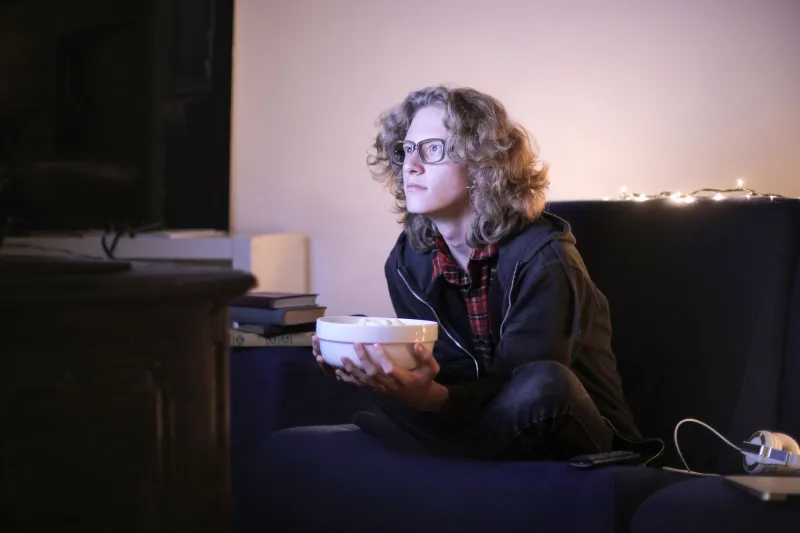
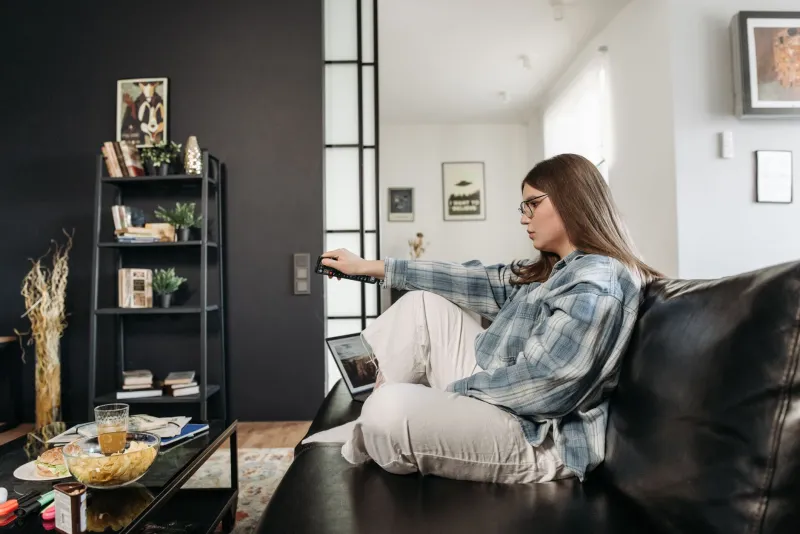
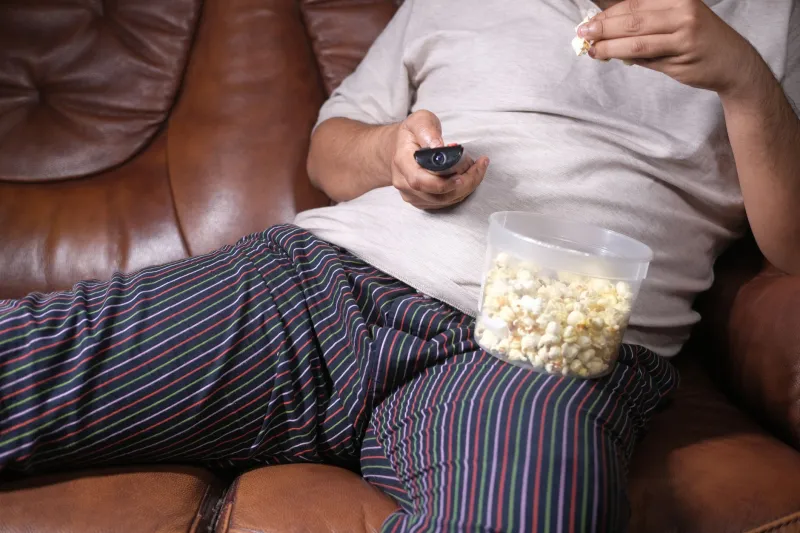
Fewer Tabs, Better Nights: The Americans Deliberately Shrinking Their Entertainment World

Somewhere between the fourth streaming service and the sixth hour of doomscrolling, something clicked for a lot of people. Not in a dramatic, throw-your-TV-out-the-window kind of way. More like a quiet, tired realization: this isn't fun anymore.
And that realization is turning into a movement — or at least a very visible pattern. Across the country, people are trimming their entertainment lives down to something manageable. Canceling subscriptions. Deleting apps. Deciding, deliberately, that they'd rather watch one great thing than scroll through ten mediocre ones.
It's not a tech detox trend or a wellness influencer talking point. For a lot of Americans, it's just survival.
The Overflow Problem Nobody Officially Named
Here's the thing about the entertainment economy of the last decade: it was built entirely on the logic of more. More content, more platforms, more notifications, more fandoms, more discourse. The assumption was that abundance was always the goal — that given the choice, people would always want another option.
For a while, that held up. People signed up for Netflix, then Hulu, then Disney+, then HBO Max, then Peacock, then Apple TV+, then Paramount+. Each one came with a shiny exclusive that made it feel necessary. And then suddenly you had six bills, a home screen full of apps, and somehow still nothing to watch on a Friday night.
The paradox of choice hit entertainment like a freight train, and the wreckage is still pretty visible. According to industry data, the average American household now subscribes to four or more streaming services — and regularly uses maybe two of them. The rest are just... there. Quietly charging your card. Waiting.
That gap between what people pay for and what they actually enjoy is where the frustration lives. And frustration, eventually, becomes action.
What "Cutting Back" Actually Looks Like
Talk to people who've gone through this and the stories are remarkably similar in their specifics.
There's the couple in Austin who kept three streaming services through the pandemic, watched constantly, and then one day looked at each other and realized they couldn't remember the last show they'd genuinely loved. They cut down to one service, started keeping a running list of things they actually wanted to watch, and describe the experience as "weirdly peaceful."
There's the 34-year-old in Chicago who deleted TikTok and Instagram from her phone not because she was anti-social media, but because she noticed she was spending two hours a night consuming entertainment content about entertainment — trailers, recaps, hot takes — without ever actually sitting down to watch the thing itself. She calls it "meta-watching" and she's not wrong.
And there's the retired teacher in Ohio who never had more than one streaming service to begin with, recently canceled that one, and went back to library DVDs. He's not making a statement. He just likes picking up a physical disc, reading the back, and committing to something.
The specifics vary wildly. The throughline doesn't: people are tired of being in a constant state of entertainment debt, always behind, always overwhelmed, always vaguely guilty about the shows they haven't gotten to yet.
Why Now?
The timing isn't random. A few things converged to make this moment ripe for a backlash.
First, prices went up — a lot. The streaming services that sold themselves as cheap cable alternatives are no longer cheap. When you're paying $18 a month for a platform you opened twice in the last 90 days, the math starts to feel embarrassing. Financial pressure is doing what cultural pressure couldn't: making people actually audit their subscriptions.
Second, the content quality conversation got louder. There's a growing consensus — not just among critics but among regular viewers — that the flood of content produced during the streaming wars resulted in a lot of quantity and not always a lot of quality. When platforms were racing to have the most shows, some corners got cut. People noticed. And once you've sat through a few too many "prestige" shows that fell apart by episode four, you start being more careful about what you commit to.
Third, and maybe most interestingly, there's a cultural shift happening around attention itself. The conversation about screen time, focus, and mental bandwidth has moved out of wellness circles and into the mainstream. People are talking openly about feeling scattered, overstimulated, and perpetually distracted. Entertainment — specifically the kind designed to be endless and algorithm-fed — is increasingly part of that conversation.
The Algorithm Problem
It's worth calling out something specific here: the way entertainment platforms are designed actively works against the kind of intentional consumption people are trying to reclaim.
Autoplay is the obvious villain, but it goes deeper than that. Recommendation engines are built to keep you on the platform, not to help you find something you'll genuinely love and then feel satisfied with. The goal isn't your satisfaction — it's your continued presence. Those are very different things.
Social media adds another layer. The entertainment discourse on platforms like X and TikTok creates this ambient pressure to be watching whatever everyone else is watching right now, or risk being out of the loop. That pressure is exhausting, and a lot of people are deciding they'd rather miss the conversation than sacrifice their evenings to keep up with it.
Opting out of that cycle — choosing a show because you want to watch it, not because the algorithm served it up or Twitter is losing its mind over it — turns out to feel genuinely different. Better, most people report.
Is This a Trend or a Shift?
Fair question. Trend pieces about people "unplugging" have been written approximately one million times, and most of the time the behavior doesn't stick.
But there are some reasons to think this one has more staying power. The financial incentive is real and ongoing — streaming prices aren't going back down. The content quality issue isn't resolving itself quickly. And the cultural conversation around attention and mental health has real momentum behind it.
More importantly, the people doing this aren't framing it as a sacrifice. They're not martyrs. They're not bragging about how little they watch the way someone might brag about a juice cleanse. They're just describing it as... better. More enjoyable. Like the entertainment they do consume actually means something now because they chose it, rather than just defaulting to it because it was there.
That framing — quality over quantity, intention over volume — feels less like a trend and more like a correction. The entertainment industry spent years betting that Americans would always want more. Turns out there's a ceiling. And a lot of people have hit it.
The remote's still in hand. There's just a lot more thought going into what gets watched next.