You Finished It in 36 Hours — But Did You Actually Watch It?
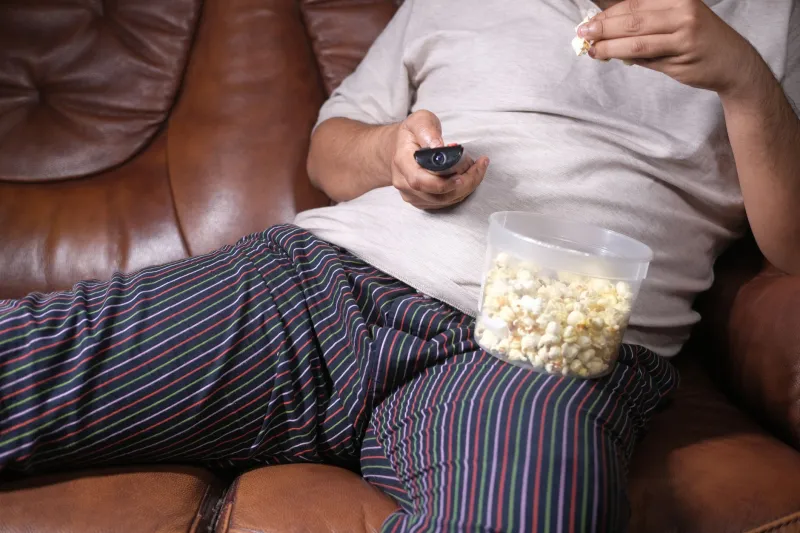
Somewhere along the way, watching TV stopped being something you did to relax and started being something you did to keep up. Not with the plot — with everyone else. The second a new season drops, the clock starts ticking, and suddenly finishing all eight episodes before your coworker spoils the finale feels less like a leisure activity and more like a sprint with stakes.
Here's the uncomfortable question nobody really wants to sit with: when you burned through that entire limited series in a single rainy weekend, did you actually enjoy it? Or did you just... complete it?
Those are two very different things, and we've gotten weirdly good at confusing them.
The Binge Badge of Honor
There's real social currency in being the person who finished something first. Tell a friend you watched all of The Bear or Fallout in one sitting and you'll get a reaction — maybe a little admiration, maybe a little concern, but definitely a reaction. It signals investment. It signals dedication. It's become a weird flex that says I cared enough to lose sleep over this.
But caring enough to lose sleep and caring enough to actually absorb what you watched are not the same thing. Plenty of people sprint through a prestige drama the same way they scroll through their phone — technically present, largely absent.
Streaming platforms didn't invent binge-watching, but they absolutely turbocharged it. The autoplay feature alone is basically a soft dare. The next episode starts in 10 seconds. Are you really going to click away? Of course not. So you don't. And then three hours later you're still on the couch, eyes glazed, watching things happen on screen without a whole lot of processing going on behind your eyeballs.
Speed-Watching vs. Actually Watching
Here's something worth thinking about: a lot of people who "finished" a show couldn't tell you much about it a week later. Not the character arcs, not the thematic undercurrents, not even the names of half the supporting cast. They watched it. They just didn't watch it.
This is what happens when consumption becomes the goal instead of the byproduct of genuine enjoyment. You're not watching to feel something — you're watching to be done. There's a finish line mentality that turns storytelling into a checklist.
Compare that to how audiences engaged with serialized TV before the full-season dump became standard. A show like Breaking Bad or Lost — love it or hate it — aired one episode a week. You had six or seven days to think about what just happened. You talked about it. You theorized. You came back the following week with actual anticipation built up over days, not minutes. The story had room to breathe inside your head because it had to.
Now? A cliffhanger resolves itself before you've even fully registered the tension. The emotional payoff of waiting — genuinely waiting — has been almost entirely engineered out of the viewing experience.
The Pressure Is Real, Even If It's Unspoken
Ask people why they push through a show faster than they probably should and you'll hear a few recurring answers. Spoilers are a big one — the internet moves fast and protecting yourself from having a major plot point casually dropped into your Twitter feed is a legitimate concern. There's also the conversational element. If everyone in your friend group is three episodes ahead of you, you're basically sitting at the kids' table until you catch up.
Then there's something a little harder to name — a low-grade anxiety about falling behind on culture. Like if you don't watch the thing now, while it's the thing everyone's talking about, you'll have missed your window. The show doesn't go anywhere, but the cultural moment does, and there's real FOMO attached to that.
None of this is imaginary. These are genuine social pressures. But it's worth recognizing that they have almost nothing to do with whether you're actually getting something meaningful out of the experience.
What Gets Lost in the Rush
Good storytelling — whether it's a six-episode miniseries or a sprawling prestige drama — is built on pacing that the writers and directors spent a long time getting right. There are moments designed to land with weight. There are performances that deserve more than half your attention. There are scenes where the silence is doing the work, and you're not going to catch that if you're simultaneously checking your phone, eating dinner, and trying to get through two more episodes before midnight.
Binge culture has also quietly shifted what kinds of stories get told. If audiences are going to consume everything in one sitting, there's a structural incentive to build shows that function more like very long movies — constant momentum, minimal breathing room, cliffhangers every 40 minutes to keep the autoplay going. That's not inherently bad, but it does squeeze out a certain kind of storytelling. The slower burn. The episode that exists mostly to let you sit with a character. The quiet, weird, deliberately paced hour that would feel agonizing in a binge but unforgettable if you came back to it a week later.
Slowing Down Isn't a Character Flaw
There's a version of TV watching that's been almost entirely lost to the streaming era, and it's the version where you watched one episode, turned the TV off, and spent the next few days thinking about it. Not obsessively — just the way a good book follows you around after you put it down.
That kind of engagement produces a completely different relationship with a story. Characters feel more like people. Themes have time to connect to your actual life. You notice things on a rewatch that you couldn't have caught the first time because you were too busy rushing to the next episode.
Some people are already pushing back on binge culture informally — watching one episode a night, deliberately avoiding new seasons until they're ready to actually pay attention, skipping the shows that feel like homework and only committing to things they're genuinely excited about. It's not a movement or a trend, just a quiet recalibration.
But it points to something real. The number next to "episodes watched" doesn't tell you anything about whether those episodes meant something to you. Finishing a show isn't the same as experiencing it. And the sooner we stop treating our watch history like a productivity report, the better chance we have of actually remembering why we liked TV in the first place.