Stars Without Studios: How Hollywood's Biggest Names Are Building Their Own Empires Online
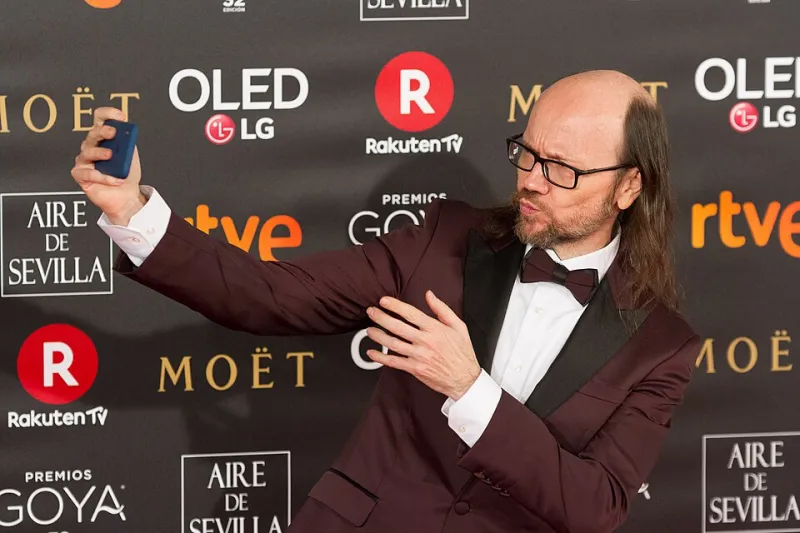
Photo: Carlos Delgado, CC BY-SA 4.0, via Wikimedia Commons
For decades, the path to celebrity ran through a very specific set of gatekeepers. You needed a studio deal, a network pilot order, or at minimum a publicist with the right connections. The machine was enormous, expensive, and almost impossible to bypass. Then the internet happened. And then the pandemic happened. And now, a surprising number of A-listers are looking at that machine and deciding they'd rather just... not.
The trend of established celebrities ditching traditional entertainment infrastructure in favor of direct-to-fan platforms isn't exactly new, but it's accelerating in ways that are genuinely reshaping how Hollywood thinks about talent, ownership, and audience relationships.
The Money Math Has Changed
Let's start with the obvious: cash. When a major actor signs on for a studio film, they're typically getting a flat fee — sometimes a big one — but they're leaving a massive chunk of backend revenue on the table. The studio owns the IP. The studio controls distribution. The studio decides whether there's a sequel, a spinoff, or a streaming deal.
Compare that to a celebrity who launches a Substack with 500,000 paid subscribers at $8 a month. That's $4 million monthly in gross revenue, with no studio taking a cut. Or consider a podcast network built around a recognizable name — ad rates for celebrity-driven shows can hit $50 CPM or higher, and the talent owns the feed.
Actors who spent years building massive social followings — sometimes larger than the networks that originally hired them — are increasingly aware that they're sitting on an asset that studios never fully compensated them for. That awareness is now converting into action.
Creative Control Isn't Just a Buzzword Anymore
Beyond the financials, there's something else driving this exodus: creative exhaustion. Plenty of established performers have spoken openly about the grinding process of developing projects through traditional channels — years of development hell, notes from executives who've never written a word of dialogue, and final cuts that barely resemble the original vision.
Direct platforms eliminate most of that friction. A celebrity launching their own YouTube channel or Patreon-style community can release content on their own timeline, in whatever format they want, without a network standards-and-practices department telling them what's too edgy or not edgy enough.
The podcast world has been particularly fertile ground here. When major names started pouring into long-form audio, they discovered something surprising: audiences were hungry for unfiltered access. Fans weren't just tolerating the raw, unproduced quality — they were actively preferring it. The intimacy of a low-key conversation felt more authentic than anything a PR team would greenlight.
The Patreon-to-Production Pipeline
What's genuinely fascinating is how some of these independent ventures are evolving into full production operations. What starts as a newsletter or a casual video series sometimes grows into something that looks a lot like a mini studio — with staff, production budgets, and multi-platform distribution strategies.
Several well-known performers have used direct fan funding as a proof-of-concept mechanism, building audience demand for a project before taking it to traditional distributors from a position of leverage. It flips the old model entirely. Instead of begging a network for a greenlight, you show up with a built-in audience of paying fans and negotiate from strength.
This approach also de-risks the project for traditional partners, which is why some studios are quietly starting to court creators who've already proven their audience rather than developing talent from scratch.
The Risks Nobody Talks About Enough
Here's where we pump the brakes a little, because this story has a messier side that tends to get glossed over in the breathless coverage of celebrity entrepreneurship.
Running your own platform is genuinely hard work. The celebrities who've made it look easy are typically backed by experienced digital teams, business managers, and in some cases, significant startup capital. For every performer who successfully monetizes a Substack or builds a thriving Discord community, there are plenty of others who launched with fanfare and quietly let things go dark six months later.
There's also the question of audience size. The direct-to-fan model works brilliantly when you're converting even a small percentage of a massive existing following. But for mid-tier talent — actors who are well-respected but don't have millions of Instagram followers — the economics can be brutal. The overhead of content creation is real, and without scale, it's hard to make it pay.
And then there's the parasocial risk. Closing the gap between celebrity and audience can be a beautiful thing. It can also create expectations that are genuinely unsustainable. Fans who feel like they have direct access can quickly become fans who feel entitled to direct access, and managing that boundary is something traditional PR infrastructure actually handled pretty well.
What This Means Going Forward
The entertainment industry has been here before — every time a new distribution technology emerges, there's a gold rush, a shakeout, and then a new equilibrium. The direct-to-fan moment is probably heading toward something similar.
What's likely to stick: the leverage shift. Even celebrities who don't fully abandon traditional studios are now negotiating from a different position, one where their direct audience relationship is a documented, monetizable asset that belongs to them. That changes contracts, it changes creative control clauses, and it changes how studios think about talent deals.
What's likely to fade: the idea that any celebrity can just launch a platform and print money. The market for direct fan subscriptions is getting crowded fast, and audiences have finite attention and finite wallets. The winners will be the ones who figured out that this was always about genuine connection, not just another revenue stream dressed up in authenticity clothing.
For now though, the exodus is real — and Hollywood is watching very carefully.