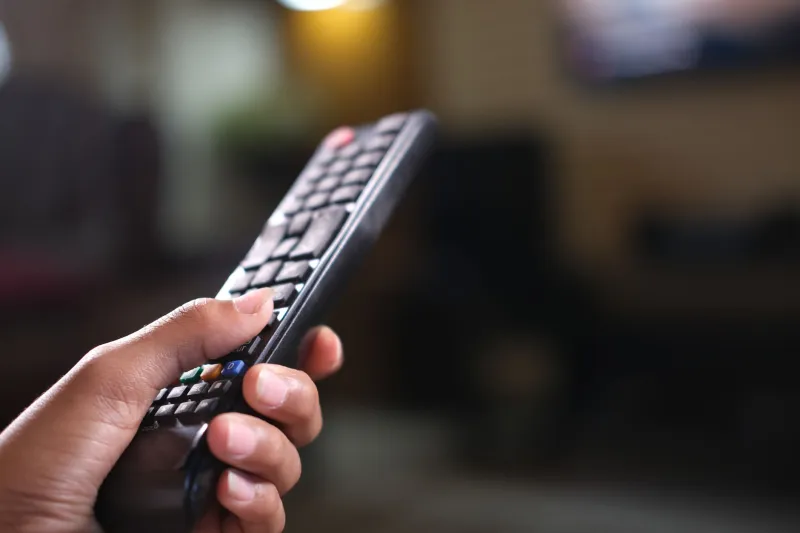
The Remote Control Standoff: Why Picking a Show Is the Hardest Part of Modern Relationships
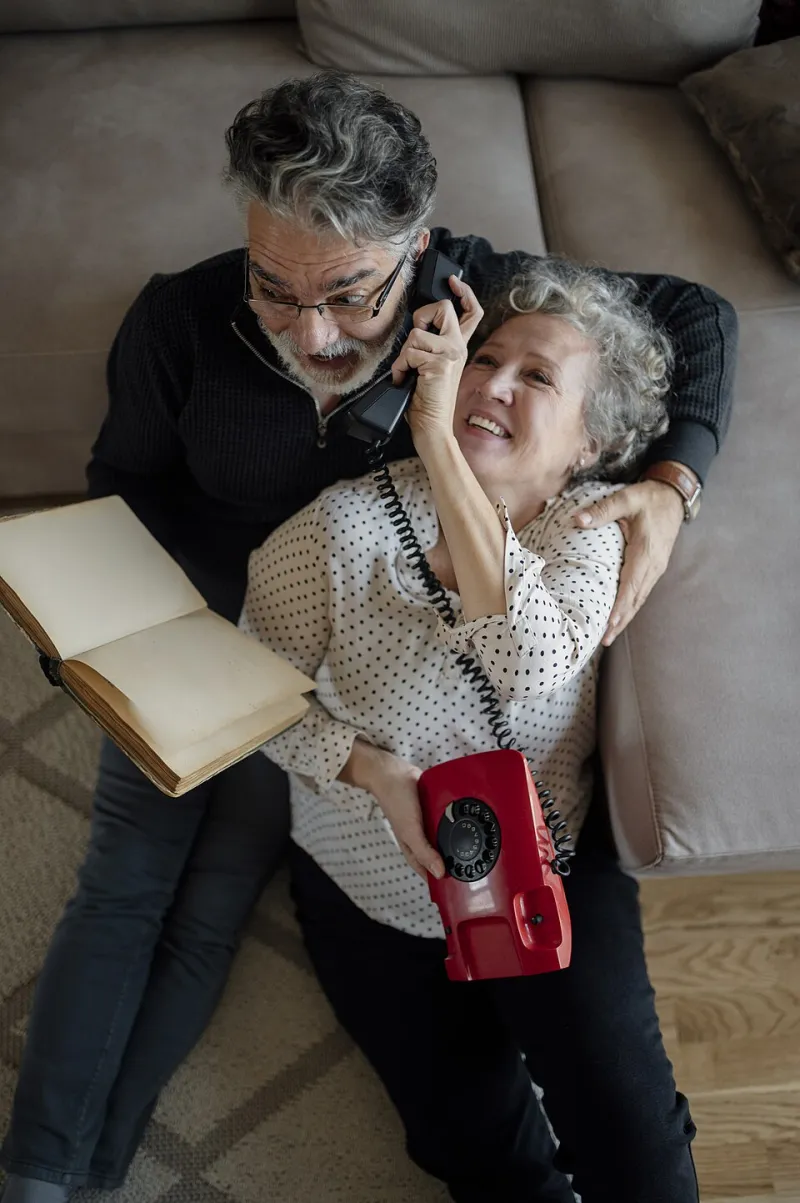
Photo: Shixart1985, CC BY 2.0, via Wikimedia Commons
Every couple in America has lived this scene. It's 8:47 on a Friday night. Two people, one couch, one remote, and a combined 40 minutes of scrolling already behind them. Nobody has said a word in a while. Someone just sighed. The Netflix homepage has been reloaded twice.
Choosing a show together has become the modern relationship's most underrated stress test — a decision so loaded with subtext that therapists have started weighing in on it. And if you think that's dramatic, you haven't been on the wrong end of a "we're NOT watching that, you know why."
The Ledger Nobody Admits Keeping
Ask couples about their viewing habits and you'll find a shadow accounting system running at all times. She picked the documentary last time. He got his three seasons of the crime drama. There's a running tally of who chose what, and it is never, ever mentioned out loud — until someone says "fine, you pick" in a tone that means the opposite.
The negotiation has its own vocabulary. "I heard it's really good" means "I've already decided." "It's just background" means "I'm going to check my phone and you can't be mad." And the nuclear option — "whatever you want" — is never, under any circumstances, to be taken at face value.
The Sleeper Problem
Then there's the partner who falls asleep. Not at the beginning — that would be forgivable. No, they fade out right at the crucial plot development, then wake up and demand a full accounting. "Wait, who's that? Why is she at the house? Did they know the whole time?"
Every long-term couple has developed a policy on this. Some pause the show, which the other partner considers deeply generous. Some issue a terse recap and refuse questions. And some — the truly hardened — have adopted the "you snooze, you lose" doctrine: the episode continues, and the sleeper gets a three-sentence summary at breakfast. It sounds cold. It is, arguably, the only sustainable system.
What the Remote Actually Represents
Couples therapists will tell you the show fight is rarely about the show. Choosing something together is a tiny rehearsal of every shared decision: compromise, fairness, whose tastes win, whether your partner actually likes the things you like. The remote is a proxy for power, and the "you picked last time" ledger is really a ledger about feeling heard.
There's also a churn angle that streaming services care about a lot. Industry surveys have found that co-viewing conflicts — two people who can't agree — are a real driver of subscription cancellations. If the household can't find anything to watch together, that $15.99 line item starts looking awfully negotiable. Some platforms are quietly building around this: shared profiles, "watch together" lists, and recommendation features explicitly designed for two people with incompatible taste profiles.
A Modest Peace Treaty
For what it's worth, the couples who seem happiest with their streaming life tend to have some version of a treaty. Common clauses: one "my pick" per week, no phone-scrolling during the other person's pick (or at least pretend), and a standing rule that anything abandoned after two episodes dies without a hearing.
The two-episode rule deserves special mention. It removes the stakes from every decision — if it stinks, you've only lost an hour, not a weekend. Nothing defuses a standoff like knowing there's an exit.
No show is worth a standoff. But the standoff, weirdly, might be part of the deal. Two people arguing in good faith about what to watch are two people who still want to spend the evening on the same couch. The scrolling isn't the problem. It's just the loudest symptom of a very good problem: someone actually wants to watch it with you.